I woke up with “Chaos, Dragon and the Light” repeating in my head. It’s a film that I wrote a review about for Outside In in 2023. I read the review again and I’m struck by the beauty entangled with the horror:
Chaos Dragon and the Light tells the story of how Marika Henriques intuitively healed her trauma with artistic expression. The film tells this story in two halves: Marika’s time in Nazi-occupied, and then Stalin-occupied, Budapest; and then how she healed her childhood trauma after escaping to England and becoming a Jungian Analyst. The first half is illustrated with close up shots of Marika’s father’s tiny, precise drawings that tell of Marika’s family life as they evaded Nazi capture in Budapest. These shots are interlaced with created scenes, current documentary images, and historical footage that bring the stories to life. For example, poignant images of the artwork depicting shoes along the river bank of the Danube conjure up the people murdered during the Holocaust. At the same time, the gentle re-telling of Marika’s connection with her father contrasts the horror with a softness that made me feel that I needed to stay with it, and not turn away.
What I notice about this film is the love and care taken in the making of it that matches the love and care of Marika’s healing process. It is a fractal of the compassion embodied by Marika’s father for her that poetically foreshadows the compassion she later found with her husband in England. The film documents her artistic process that helped her to purge some of the emotional charge of her childhood trauma held in her unconscious. Firstly, drawing her feelings and dreams in an outpouring of expression, followed by a slowing down of the expressing through following intuitive urges to make tapestries of the drawings – a time to be with her memories, stitch by stitch, and tolerate the pain, finding beauty in the darkness. As Marika talked of externalising the memories and feelings into art and seeing the creations with warmth, and conversing with them, I felt warmth too. I am left with an image of her sitting on her bed gazing at decades of her healing work framed on her wall. I shall carry this with me as I continue with my own inner work.
It was hard, as a highly sensitive person, to watch the first part of the film and bear witness to the horrors of the Holocaust. However, even in that was the delight of Marika’s father’s diary drawings – beautiful, tiny, simple, colourful codes recording the details of their life together. I can imagine him taking his time to focus attention on making them. Similarly, Sal Anderson’s shots of Marika’s face and hands as she talks have grace, love, and empathy. I am struck by the analogy of the tapestry as painstakingly slow, healing work that Marika shares with her psychoanalytic clients. I feel honoured to have witnessed this story of authentic healing that art and curiosity have produced. It is a relief to see this film and know it is possible, albeit a long and slow process, to recover the soul from layers of grief. The world needs this story of careful, non-violent, slow processing of trauma using art to externalise, validate, and tolerate what was previously intolerable. We make art from darkness that we might not act it out.
Something stood out when I re-read the review. The slowness of the healing journey. Marika took her time to be with horror and devastation, and also beauty. She made beauty from horror and devastation. It’s what nature does, and we are nature.
Art allows us to access feelings. It gives us a space to be with them safely. We don’t need to use their directionality to create more horror and violence in the world. We can feel the sensations of the devastations and betrayals, and grieve the losses that come from them. Art can be like plant medicine in this way.
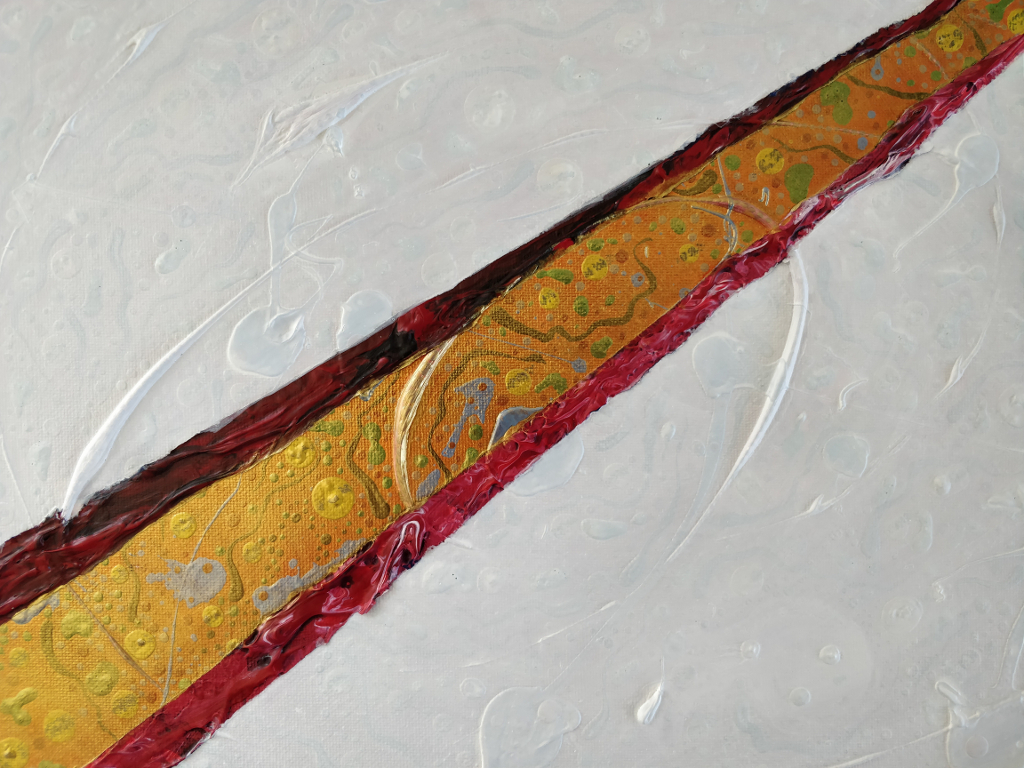
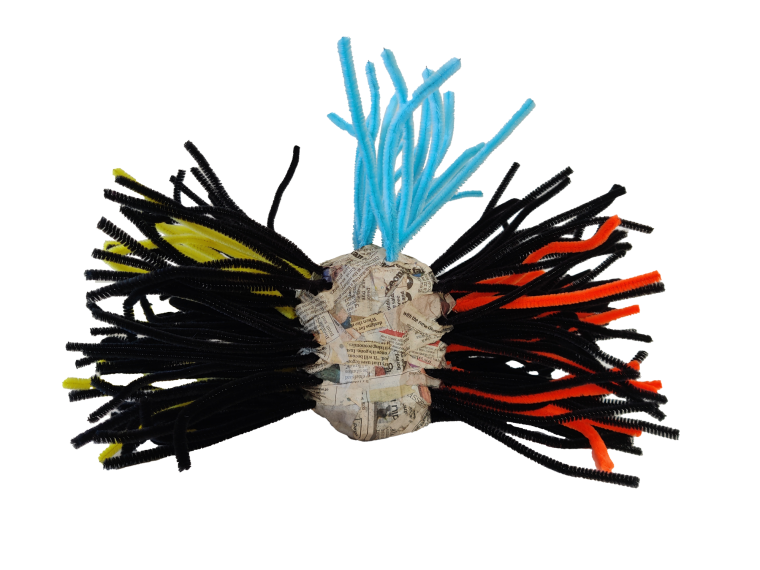
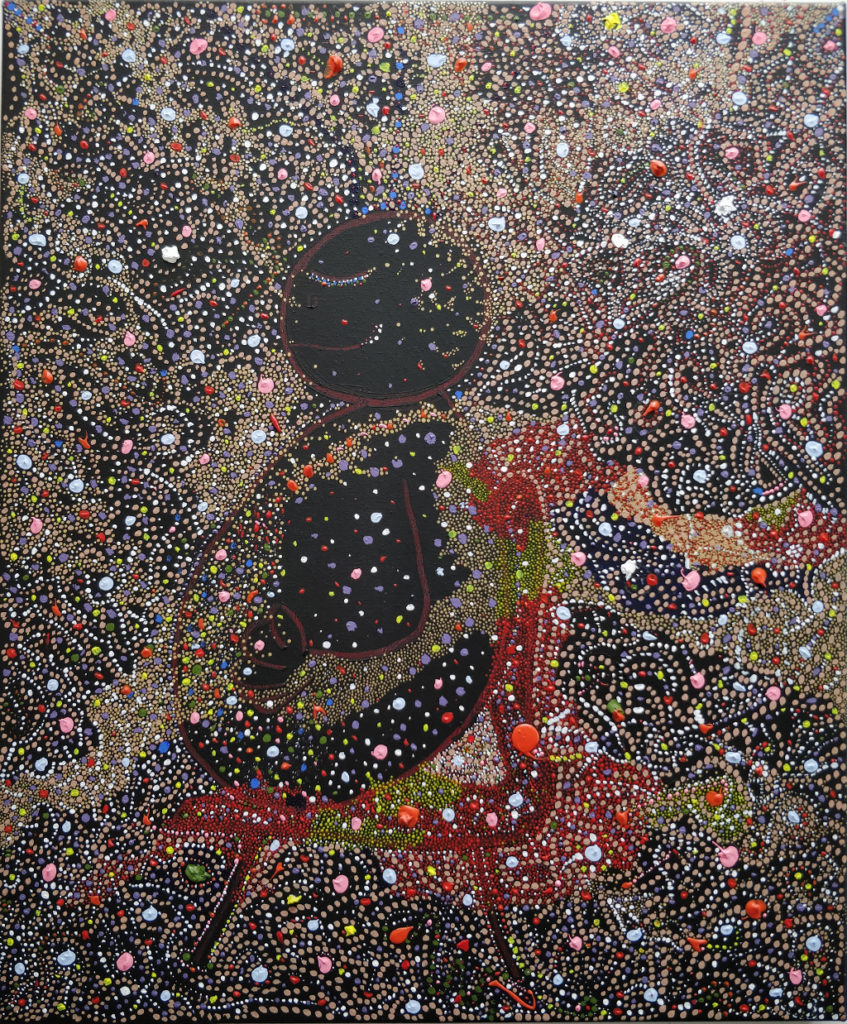
I made each of the artworks in this article to express how I felt at times when words could not do the feelings justice. These artworks gave me a way to externalise my internal experience and somehow make it more tolerable at times when it felt too hard.
What we produce can surprise us and it cannot be unseen or unheard or untouched. We face what’s there. Sometimes it’s light. Sometimes it’s dark. Often it’s both. My sense is we all have stuff that’s just below the surface, waiting to emerge and be held and witnessed with compassionate attention.
Is this your sense too?